Deities, Divinity, and definitions…
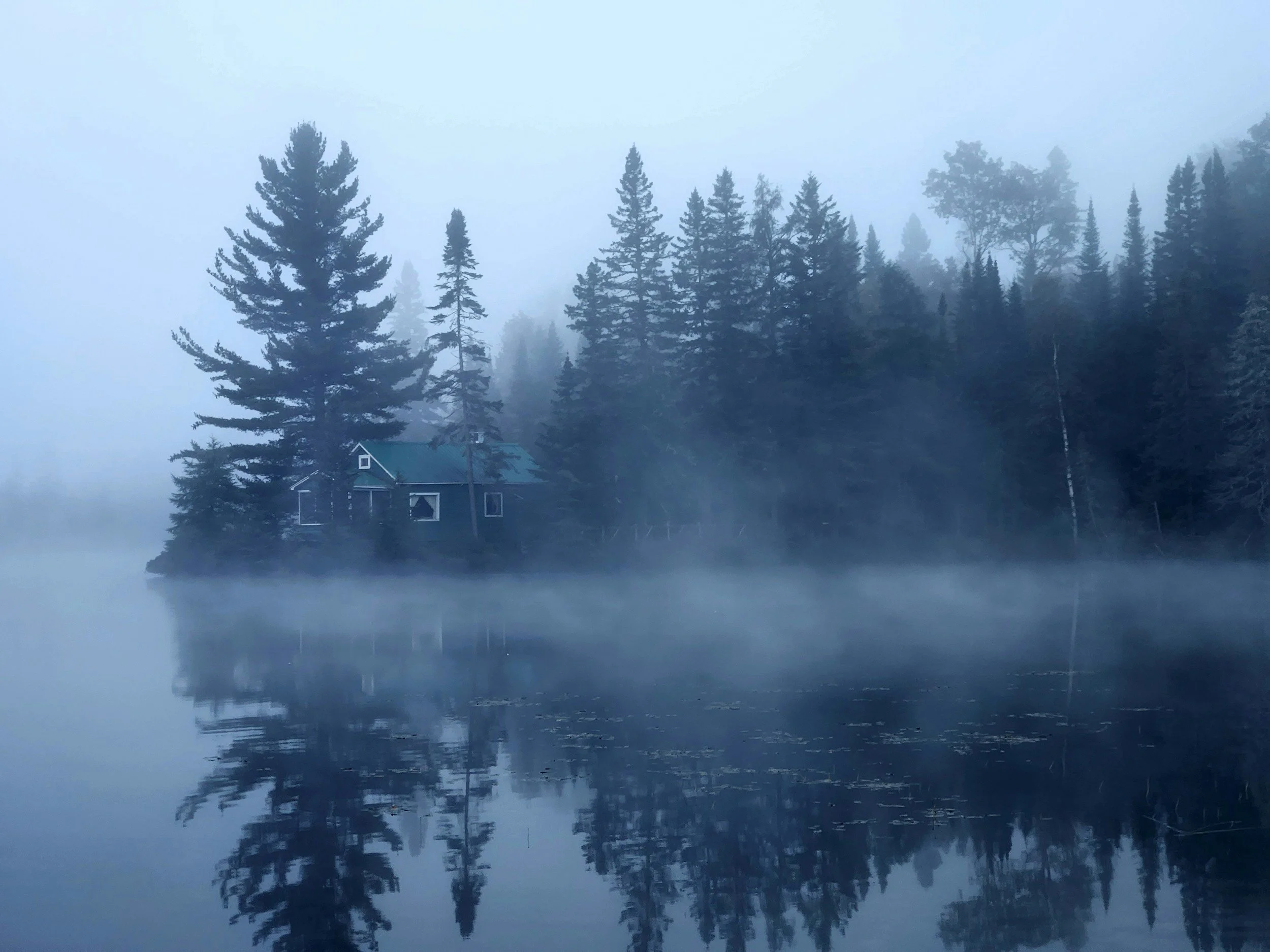
Credit to @cindylouve
The deities that my world contains are vast and varied. Deities in my books aren’t just figures one attaches a belief structure to or a single divine force but a whole tapestry of cultures’ own thoughts and wishes coalesced into a divine form.
Predzkya, the Goddess of Blood, isn’t a literal being of the blood running through someone but of the concept, the idea and meaning, that the word “blood” evokes. For the native humans of the northern steppelands, Predzkya evokes bond, family, ties, what knits the world together and creates its strong points. On the other hand, when Verdusk and the major Spiralist nations evoke Predzkya’s name they do so as an act of might, of war, of split blood and purity. Both of these beliefs are correct and both of them empower the Goddess in question — because both are believed in full by their individual sources. The Goddess of Blood as a concept goes by many names, and so the many interpretations of Her are accurate, in a sense.
This line of thought holds true for every one of Drahvon’s divine beings, be it the Dwarven God of craft or Filianore, the human Goddess of Self-love. See, deities are made rather than born. Any person or creature can, in theory, ascend, and any God or Goddess can be, in theory, dethroned (or destroyed). Marianne, Goddess of Vengeance and the only other human to ascend, stands out both due to her proximity to the current day and in her violent, sudden appearance. Definitions, like beliefs, change depending on those who enforce them, and humanity loves fighting over these kinds of things.
Just to drive all of this back home, definitions matter; so when someone claims a God is dying, or dead, or sick, it’s worth asking what they mean in Drahvon. They might just be hinting at things to come.